

- Zelenskyy warns Starshield limits are hindering drone interceptions |
- Govt considers revamping school food distribution system |
- Service tenure expiry leads to retirement of five BAF officers |
- HSC supplementary exams scheduled to begin on December 1 |
- US ambassador meets Indian High Commissioner amid political uncertainty |
“Not Heaven-Bound”: What Trump’s Candid Confession Reveals About the Man
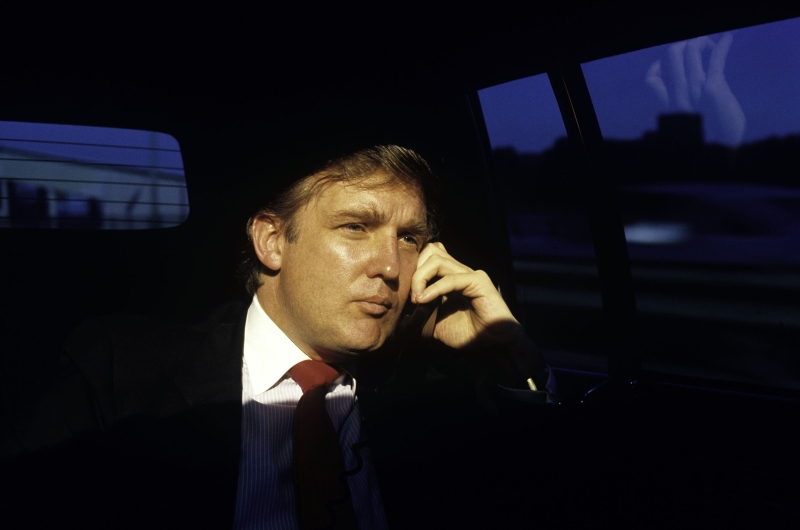
Image: Collected
When Donald Trump told reporters aboard Air Force One in October 2025, “I don’t think there’s anything that’s gonna get me into heaven. I think I’m not maybe heaven-bound,” he delivered one of the more revealing lines of his second term. Spoken with a chuckle and the disclaimer that he was “being a little cute,” the remark still landed with unusual weight. It was not the polished piety of a conventional politician. It was pure Trump: half-joke, half-confession, fully self-centered, and strangely disarming.
The quote reflects several enduring traits of Trump’s personality.
A Transactional View of Morality and Legacy
Trump has long treated life as a deal. In earlier comments he openly linked ending wars—Ukraine in particular—to improving his “report card” upstairs. Saving thousands of lives per week, he suggested, might tilt the scales. When that same logic was applied to the Gaza ceasefire, he waved it off. No single achievement, he implied, would be enough. This is classic Trump: results-oriented, score-keeping, and skeptical that any ledger of good deeds can fully balance the account. Heaven is not a matter of grace in this framing; it is a negotiation he suspects he is losing.
Self-Awareness Wrapped in Deflection
Few public figures of Trump’s stature would volunteer that they sit “at the bottom of the totem pole” with the Almighty. The admission carries a flicker of genuine self-knowledge, an awareness of personal flaws, controversies, and the gap between the image he projects and the judgment he anticipates. Yet he immediately softens it with humor (“I may be in heaven right now as we fly on Air Force One”) and pivots to his accomplishments: “I’ve made life better for a lot of people.” The pattern is familiar. Vulnerability appears, then is quickly reabsorbed into the larger story of Trump as the man who delivers results while others merely talk.
Mortality and the Weight of Age
At 79, Trump has begun speaking more openly about the end. The near-miss of the 2024 assassination attempt, the deaths of peers, and the sheer accumulation of years appear to have sharpened his focus on what comes next. The “heaven-bound” comments form part of a broader pattern of late-career reflection. They reveal a man who, for all his bravado, is not entirely insulated from the universal human confrontation with death and judgment. The humor serves as both armor and invitation—allowing him to raise the subject without fully surrendering control of the narrative.
Performative Honesty as Political Brand
Trump’s willingness to say the quiet part out loud has always been central to his appeal. Where most politicians would pivot to vague statements of faith or change the subject, he leans into the awkwardness. Supporters hear authenticity; critics hear cynicism or a lack of spiritual seriousness. Either way, the line reinforces the persona he has cultivated for decades: the outsider who refuses to perform conventional piety, even when it might be politically advantageous.
In the end, the remark is less a theological statement than a character study. It shows a man who measures worth by impact rather than purity, who uses humor to manage vulnerability, and who, even while doubting his own eternal prospects, cannot resist reminding the room of what he believes he has delivered. Whether the comment was pure joke, genuine doubt, or a calculated mix of both, it captured something essential about Donald Trump: the restless dealmaker who keeps score to the very end and is not entirely sure the final tally works in his favor.