

- Oil Shock Sends Asian Markets Lower as Middle East Conflict Threatens Global Shipping |
- Trump Links Iran War to US Midterms, Backs United Ireland |
- PM Tarique Rahman Seeks Public Cooperation to Tackle Nationwide Dengue Outbreak |
- Jatiyatabadi Mahila Dal Vows to Lead Fight Against Rape, Violence Against Women and Children |
- 'Honorable' Dropped: PM Starts Implementing Decision from His Own Office |
Tupac Trial Exposes Decades of Police Failures in Solving Rapper’s Murder
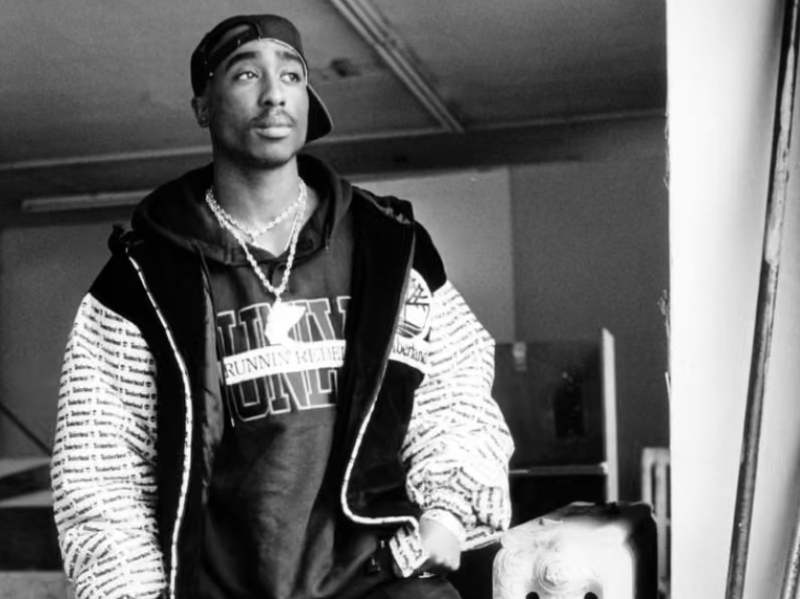
Image: Collected
The conviction of Duane “Keffe D” Davis in the 1996 murder of rap icon Tupac Shakur has brought renewed scrutiny of the decades-long investigation, with evidence presented at trial highlighting major failures and missed opportunities by US law enforcement.
Davis, a former South Side Compton Crips gang leader, was convicted on August 31 of orchestrating Shakur’s killing. Prosecutors argued that the shooting was carried out as retaliation after Shakur and members of his entourage assaulted Davis’ nephew, Orlando “Baby Lane” Anderson, earlier on the night of the attack. Davis was not accused of firing the fatal shots, but prosecutors said he helped organize the retaliation and supplied the weapon.
The trial, however, raised questions about why authorities failed to bring the case to court for almost three decades. According to a recent Guardian investigation, Las Vegas police were reportedly given information about possible suspects within hours of the shooting, while investigators in Compton had also identified Anderson as a potential suspect. Yet cooperation between agencies was limited, amid mistrust, concerns about gang affiliations and disputes between law-enforcement departments.
Another major obstacle was the reluctance of witnesses to cooperate. Some feared being branded informants or facing retaliation, while others were unwilling to assist investigators because of their connections to rival street groups. The atmosphere surrounding the case made gathering reliable testimony particularly difficult.
The investigation was further complicated by concerns over possible conflicts involving people connected to Death Row Records and law enforcement. These tensions contributed to an environment in which investigators were hesitant to rely on information coming from certain sources, according to the Guardian's review of the case.
Ironically, some of the most important evidence ultimately came from Davis himself. Investigators had interviewed him in 2008, and he later discussed the shooting publicly, including in his 2019 memoir Compton Street Legend. Prosecutors used those statements as key evidence against him at trial.
The case has therefore raised a broader question about whether the eventual conviction represents successful police work or justice that came largely because the alleged orchestrator publicly incriminated himself.
Shakur, who was 25 when he was shot in Las Vegas on September 7, 1996, died six days later. His killing became one of the most enduring mysteries in music history, generating countless theories and continuing to shape discussions about violence, race and the US criminal justice system.
Davis' conviction provides a degree of closure for Shakur's family and fans, but the case has also exposed how institutional mistrust, witness intimidation, bureaucratic divisions and investigative shortcomings contributed to the long delay in securing justice. Davis is scheduled to be sentenced on October 13 and has indicated that he plans to appeal.