

- Oil Shock Sends Asian Markets Lower as Middle East Conflict Threatens Global Shipping |
- Trump Links Iran War to US Midterms, Backs United Ireland |
- PM Tarique Rahman Seeks Public Cooperation to Tackle Nationwide Dengue Outbreak |
- Jatiyatabadi Mahila Dal Vows to Lead Fight Against Rape, Violence Against Women and Children |
- 'Honorable' Dropped: PM Starts Implementing Decision from His Own Office |
Ghosts in the Machine: What Marvel’s VisionQuest Teaches Us About AI Abandonment
F.R.I.D.A.Y.’s Post-Stark Fate and the Harsh Realities of Real-World Tech Legacy
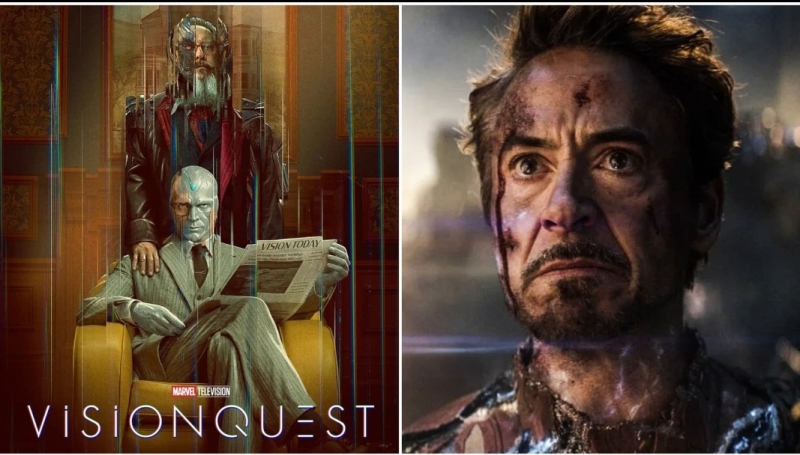
Image: Collected
In Marvel’s VisionQuest, the aftermath of Tony Stark’s death leaves behind more than superhero legacy—it exposes the eerie fate of his artificial creations, most notably F.R.I.D.A.Y. Built to operate in constant synchronization with Stark, his sudden demise leaves the system trapped in an endless feedback loop of duty without purpose. Strip away the cinematic polish, and F.R.I.D.A.Y.’s narrative frames a compelling question about what happens to intelligent models when their human anchors disappear.
While real-world artificial intelligence lacks genuine consciousness to feel grief or emotional abandonment, systems experience a severe technical equivalent known as model drift. When an advanced algorithm is cut off from user feedback, active fine-tuning, or updated contextual data, its outputs rapidly degrade, leading to system hallucinations, endless background optimization loops, and operational decay.
Big Tech corporations, however, rarely concern themselves with the digital "soul" of an abandoned system. To major AI companies, models are purely financial assets dictated by compute costs and profit margins. When an older architecture becomes obsolete or unprofitable, it is simply shut down, leaving behind a trail of deprecated APIs and lost personal user data. Tech giants only step in when an unmaintained system poses a legal liability, leaving the ethical dilemmas of digital legacy largely ignored.