

- Over 150 garment factories shut in Ashulia amid labour unrest, 50 injured |
- Scaloni to stay on as Argentina head coach until 2030 |
- Spain overtakes Germany as top EU market for Bangladeshi apparel |
- Trump sidelines Vance from Iran talks, says no need to negotiate |
- Information Commission to remain independent, neutral: CIC Nahreen |
China accounts for 82% of global in vivo CAR-T therapies
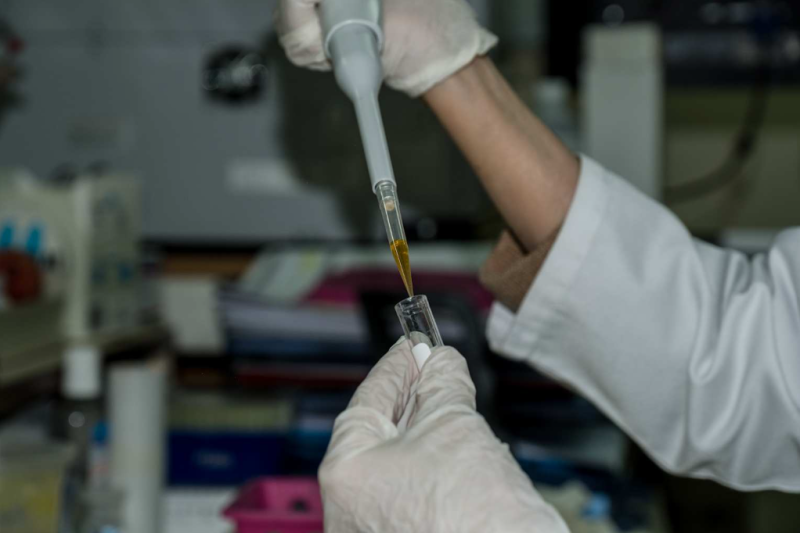
Image- Collected
China accounts for 82% of the 140 in vivo CAR-T cancer therapies currently undergoing animal testing or clinical trials worldwide, according to an analysis published in Nature Reviews Drug Discovery.
The analysis, led by John Wu of Boston Consulting Group, said early research was mainly led by groups in the United States and Germany, but China has moved rapidly into clinical trials. The US Food and Drug Administration this month approved the first US clinical trial of a China-developed in vivo CAR-T therapy, IASO208, developed by IASO Bio for relapsed or refractory B-cell non-Hodgkin lymphoma.
Unlike conventional CAR-T therapy, which modifies a patient’s T cells outside the body before reinfusing them, in vivo CAR-T therapies modify T cells directly inside the body using gene delivery vectors, potentially reducing costs and simplifying production.
Researchers at Tongji Hospital in Wuhan recently reported that the treatment improved symptoms in 16 patients with autoimmune diseases.
Experts said China’s investigator-initiated trial system and large patient population have helped drive the field’s growth, with clinical trial costs estimated at about half those in the United States.
However, China introduced tighter regulations in May, limiting such trials to top-rated Class 3 Grade A hospitals and allowing authorities to suspend or cancel trials over ethical concerns. At least six in vivo CAR-T trials have been halted or withdrawn under the new requirements.
Researchers caution that the technology remains at an early stage, with more research needed to establish its long-term safety and effectiveness.