

- Oil Shock Sends Asian Markets Lower as Middle East Conflict Threatens Global Shipping |
- Trump Links Iran War to US Midterms, Backs United Ireland |
- PM Tarique Rahman Seeks Public Cooperation to Tackle Nationwide Dengue Outbreak |
- Jatiyatabadi Mahila Dal Vows to Lead Fight Against Rape, Violence Against Women and Children |
- 'Honorable' Dropped: PM Starts Implementing Decision from His Own Office |
Darkness of Load Shedding in Bangladesh: State Power Management Under Question
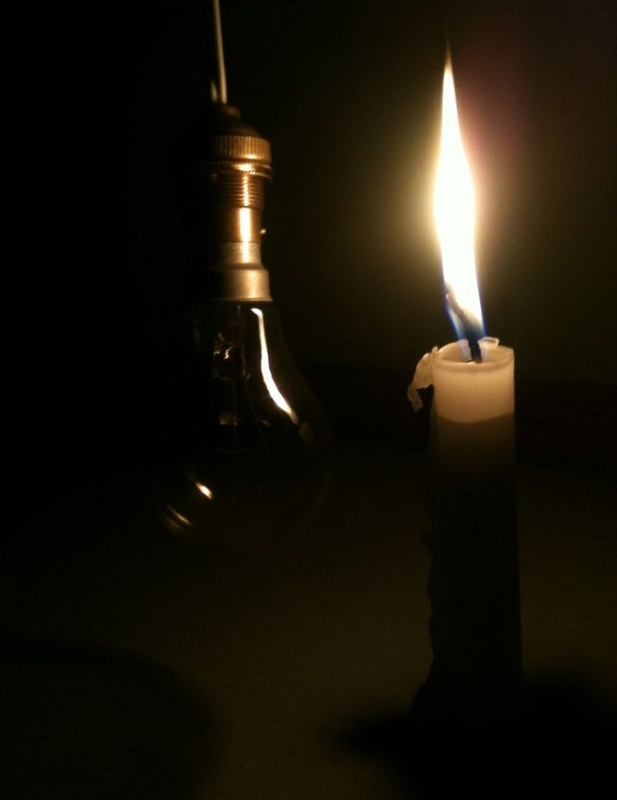
Electricity is one of the key indicators of development. Yet the same electricity has now become one of the biggest sources of suffering for the people of Bangladesh. Going without electricity for days and hours at a time seems to have once again become a normal occurrence. The situation is even worse in rural and suburban areas alongside the cities. In some places, there are reports of power outages lasting as long as 10 to 12 hours a day.
The question is—why are people having to endure this load-shedding crisis despite having such a large electricity generation capacity?
According to explanations from government and expert levels, one of the main causes of the crisis is a shortage of gas. This has been compounded by shortages of coal and other fuels, dependence on imports, and reduced generation at some power plants. Various reports have indicated that the recent electricity shortfall has exceeded 3,000 megawatts.
But the question from ordinary people is much simpler—if electricity is not available despite having power plants, then what is the point of spending so much money to create this generation capacity?
At one point, it was said that Bangladesh was moving towards self-sufficiency in electricity generation. Generation capacity increased, new power plants were built, and arrangements were also made to import electricity. So why was there no long-term plan to ensure fuel supplies? If excessive dependence was created on gas, coal and imported fuel for electricity generation, where is the alternative arrangement?
The biggest impact of load shedding is falling on ordinary people. In the intense heat, children, elderly people and those who are ill are suffering the most. Students’ studies are being disrupted. Small businesses and shops are experiencing declining sales. Food stored in refrigerators is spoiling. Production in electricity-dependent small industries and factories is being disrupted. People in rural areas are suffering the most.
This has also been accompanied by public frustration. From social media to tea stalls, markets and neighbourhood discussions, the same question is now being raised: “We have to pay our electricity bills regularly, but when will we actually get electricity?” Some say, “There is no electricity, but we still have to pay the bill.” Others express their frustration by asking, “Why should ordinary people have to bear the cost of the suffering caused by the lack of electricity?” These statements are an expression of the frustration that has been building up among the people. In recent times, concerns have also emerged over the security of the offices of electricity distribution companies, which indicates the level of public dissatisfaction.
The government has taken various initiatives to save electricity to address the crisis. Measures such as closing businesses earlier, keeping billboard lights switched off, and urging people to reduce electricity consumption may temporarily ease the pressure. But these are not long-term solutions. The problem is not only with people’s electricity consumption; it lies in ensuring the fuel required for generation, proper planning, the supply system, and the overall management of the power sector.
Bangladesh must now decide—will we manage the situation every year by importing fuel on an emergency basis whenever a crisis emerges, or will we develop a permanent and sustainable energy policy? Realistic plans are now needed to reduce dependence on gas, increase the use of renewable energy, expand rooftop solar power, develop modern electricity storage systems, and make regional electricity trading more effective. Experts have also emphasised the importance of increasing renewable energy and regional cooperation in the long term.
Electricity is not a luxury; it is a fundamental infrastructure for people’s daily lives, education, healthcare, business, commerce and the economy. Therefore, there is no scope to view load shedding merely as a temporary problem. If the daily darkness creates the perception among people that the state is unable to ensure basic services, it will become not just an electricity crisis but also a crisis of public trust.
The government therefore needs to have answers to the questions being raised by the people. People want to know—when will this darkness end? And how much longer will they have to endure it?
The answer to these questions must come not through assurances alone, but through visible and effective action. Because the people no longer want the light of promises; they want to see the real light of electricity in every home.