

- Oil Shock Sends Asian Markets Lower as Middle East Conflict Threatens Global Shipping |
- Trump Links Iran War to US Midterms, Backs United Ireland |
- PM Tarique Rahman Seeks Public Cooperation to Tackle Nationwide Dengue Outbreak |
- Jatiyatabadi Mahila Dal Vows to Lead Fight Against Rape, Violence Against Women and Children |
- 'Honorable' Dropped: PM Starts Implementing Decision from His Own Office |
Mbappé Makes World Cup History with Second Golden Boot Award
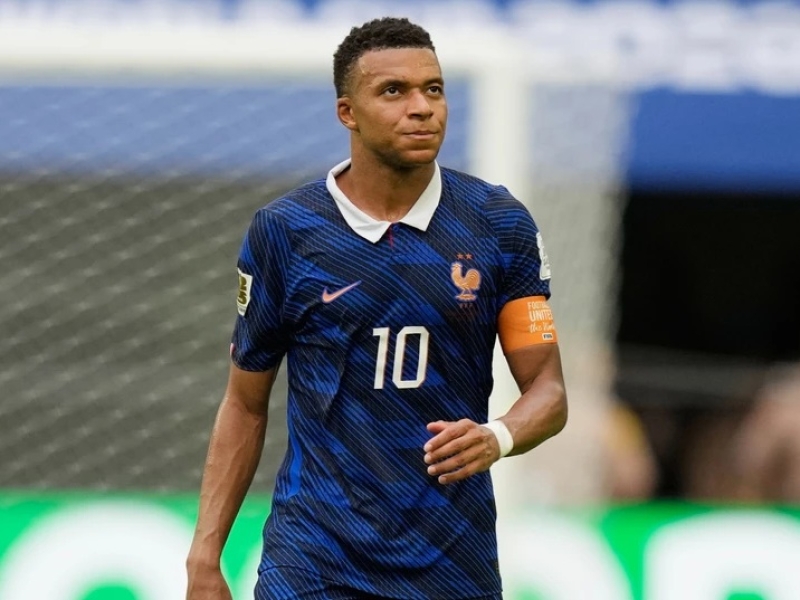
Image: Collected
France forward Kylian Mbappé has become the first player to win the FIFA World Cup Golden Boot twice after finishing as the tournament’s top scorer, while Argentina captain Lionel Messi failed to score or register an assist in his side’s 1-0 defeat to Spain in Sunday’s final.
Mbappé finished the tournament with 10 goals and four assists as France secured fourth place. Messi ended with eight goals and four assists after being kept off the scoresheet for the first time in his last 12 World Cup appearances.
Despite missing out on the Golden Boot, Messi remained in contention for a record-extending third Golden Ball, awarded to the tournament’s best player. The 39-year-old is already the only footballer to have won the award more than once since its introduction in 1978, and his role in guiding Argentina to a second consecutive World Cup final strengthens his case.
The Golden Boot had been one of the few major individual honours absent from Messi’s career. He entered the final weekend level with Mbappé on eight goals but held the tiebreaker advantage with one additional assist.
Mbappé overtook him after scoring twice and providing an assist in France’s 6-4 defeat to England in Saturday’s third-place playoff. His tally of 10 goals also made him the first player to reach double figures in a single World Cup since Germany’s Gerd Müller scored 10 goals in the 1970 tournament.
The remaining individual awards to be presented after the final are the Golden Glove for the tournament’s best goalkeeper and the Best Young Player Award for the top performer aged 21 or under.
Spain is considered a strong contender for both honours, with goalkeeper Unai Simón conceding just one goal in eight matches and 19-year-old Lamine Yamal impressing throughout the tournament with a series of standout performances.
Mbappé also claimed the Golden Boot at the previous World Cup in Qatar, where France lost to Argentina in the final. His performance this year places him alongside players such as Italy’s Salvatore Schillaci (1990), Croatia’s Davor Šuker (1998) and Germany’s Thomas Müller (2010), whose goals in third-place matches helped secure the tournament’s top scoring award.
The Golden Ball, Golden Glove and Best Young Player Award are decided by members of the media from a shortlist prepared by the FIFA Technical Study Group.
Source: UNB