

- Oil Shock Sends Asian Markets Lower as Middle East Conflict Threatens Global Shipping |
- Trump Links Iran War to US Midterms, Backs United Ireland |
- PM Tarique Rahman Seeks Public Cooperation to Tackle Nationwide Dengue Outbreak |
- Jatiyatabadi Mahila Dal Vows to Lead Fight Against Rape, Violence Against Women and Children |
- 'Honorable' Dropped: PM Starts Implementing Decision from His Own Office |
Load shedding expected to ease significantly soon: Adviser Zahed
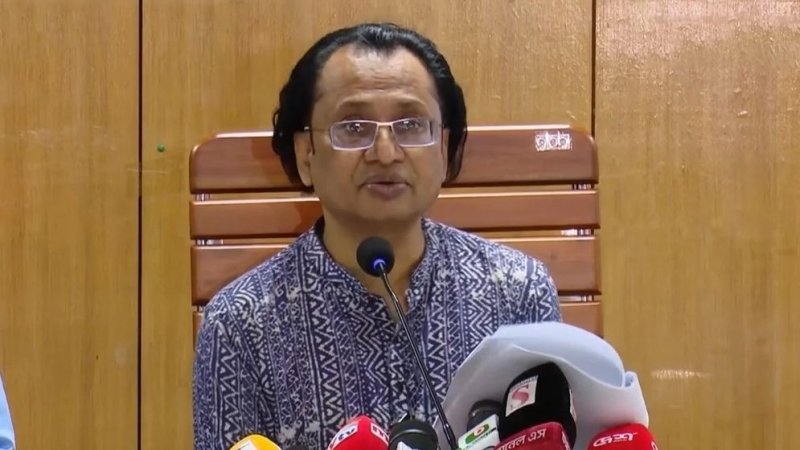
Image- Collected
Prime Minister’s Information and Broadcasting Adviser Dr Zahed Ur Rahman has expressed hope that the country’s ongoing load shedding will decrease significantly within a short period.
Speaking at a press briefing at the Secretariat on Tuesday, he said the government is now distributing the impact of the power shortage more evenly between urban and rural areas.
Zahed said Dhaka, which previously experienced relatively limited load shedding compared with rural areas, is now also facing power cuts as the government seeks to share the burden of the crisis nationwide.
He explained that although major cities generally receive priority because of their economic importance, the government has decided that the effects of the current electricity shortage should not fall disproportionately on rural communities.
The adviser said the government plans to publish comparative data next week showing the extent of load shedding during the previous Awami League government and the interim government.
He claimed that a significant portion of the power cuts during those periods was concentrated in rural and remote areas.
According to Zahed, the current electricity shortage is being caused by several factors, including fuel shortages, unexpected power plant faults, maintenance work, transmission grid limitations and rising electricity demand.
He said electricity demand is increasing as economic activity grows following the formation of a democratic government, whereas demand was comparatively lower during the interim government’s tenure.
Zahed also said load shedding is being adjusted in areas served by Dhaka Power Distribution Company and Dhaka Electric Supply Company to prevent prolonged outages in specific locations and keep rural power cuts at manageable levels.
Electricity saved through these adjustments is being redirected to rural areas and other parts of the country, he said.
The adviser added that the approach has helped improve electricity supply for important consumer groups, including industries outside Dhaka, while reducing the pressure of prolonged and frequent outages in rural areas.