

- Oil Shock Sends Asian Markets Lower as Middle East Conflict Threatens Global Shipping |
- Trump Links Iran War to US Midterms, Backs United Ireland |
- PM Tarique Rahman Seeks Public Cooperation to Tackle Nationwide Dengue Outbreak |
- Jatiyatabadi Mahila Dal Vows to Lead Fight Against Rape, Violence Against Women and Children |
- 'Honorable' Dropped: PM Starts Implementing Decision from His Own Office |
The Return of the Monoculture: Why Everyone Is Watching the Same Things Again
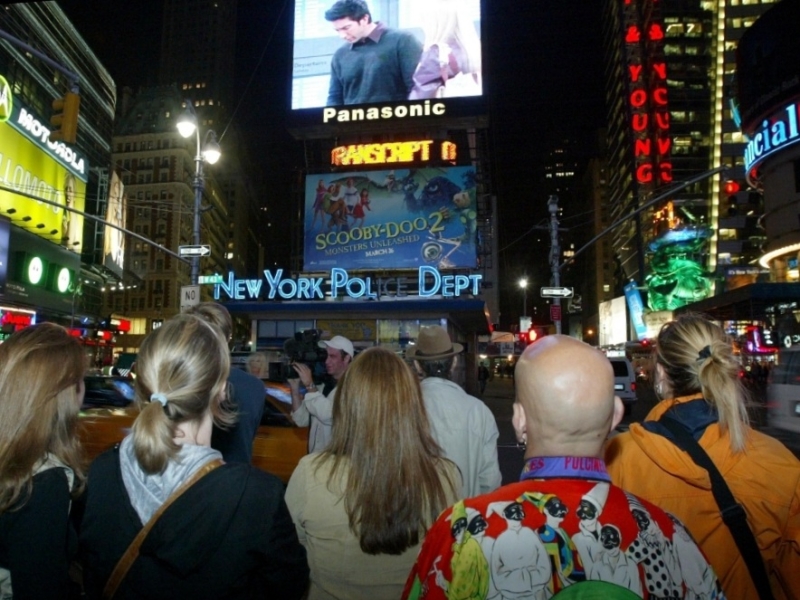
Image: Collected
For years, the internet seemed to be destroying the idea of a shared culture. Social media algorithms promised everyone a personalized world: your music, your movies, your news, your creators and your interests. Two people could open the same app and see completely different realities.
Yet something unexpected is happening. The monoculture appears to be coming back.
A monoculture is a period when a large part of society becomes interested in the same cultural events, personalities, stories or forms of entertainment. Television once created this phenomenon naturally. Millions of people could watch the same television show, follow the same celebrities and discuss the same films the next morning. The rise of streaming and social media appeared to make that world obsolete.
Now, however, major cultural moments are once again capable of reaching enormous audiences.
Blockbuster films, major sporting events, viral songs, celebrity moments and highly anticipated television releases can suddenly dominate conversations across multiple platforms. TikTok, Instagram, YouTube, X and streaming services may have fragmented our attention, but they can also amplify the same cultural phenomenon simultaneously.
This creates an interesting contradiction. We live in the most personalized media environment in history, yet some of the biggest cultural moments are becoming more universal.
Part of the reason is the power of algorithms. Personalization does not necessarily mean isolation. When something becomes popular enough, algorithms can push it into millions of different feeds. A movie trailer can appear on TikTok, YouTube Shorts and Instagram Reels within hours. A song can move from a streaming platform to memes and then into mainstream radio. A celebrity moment can become a global conversation before traditional media has even finished reporting on it.
The internet has therefore changed the way monoculture works. Instead of everyone watching the same television channel at the same time, people may now encounter the same cultural moment through completely different platforms.
The modern monoculture is also heavily driven by nostalgia.
Many young people are increasingly fascinated by the culture of previous decades, particularly the 1990s and 2000s. Old films, fashion trends, music and video games are being rediscovered by audiences who did not experience them when they were originally released.
This nostalgia is not simply about wanting the past back. It reflects a desire for cultural experiences that feel recognizable and shared. In an online environment where everyone can exist inside a different algorithmic bubble, familiar cultural references can provide a sense of belonging.
There is also a psychological reason behind the return of shared culture. Humans naturally want things to talk about together.
A popular film gives strangers a common subject. A major sporting event creates conversations between people who may otherwise have nothing in common. A hit song can become the soundtrack of an entire period of people's lives.
In that sense, monoculture is not simply about entertainment. It is about social connection.
However, the new monoculture is different from the old one.
During the age of traditional television, cultural gatekeepers had enormous power. A handful of television networks, newspapers, film studios and record companies could determine what millions of people saw. Today, anyone can potentially create something that reaches a global audience.
This has made culture more democratic, but also more chaotic.
Instead of one enormous mainstream culture, we now have thousands of smaller cultures constantly emerging and disappearing. Gaming communities, anime fandoms, music subcultures, internet communities and creator-led audiences can develop their own languages, celebrities and traditions.
The result is not necessarily the complete disappearance of the monoculture. It is the coexistence of a massive mainstream culture with countless smaller subcultures.
Perhaps that is what makes today's cultural landscape so fascinating. We have more choices than any generation before us, yet we still gravitate toward certain stories, characters, artists and events together.
The monoculture has not necessarily returned exactly as it once existed. It has evolved.
Instead of everyone sitting in front of the same television at the same time, millions of people might watch different versions of the same event, encounter it on different platforms and discuss it using different forms of media.
The shared experience remains, even when the technology has changed.
In the end, the return of monoculture may reveal something important about modern society. Technology can personalize what we consume, but it cannot completely eliminate our desire to belong to something larger than ourselves.
We may want personalized playlists, personalized recommendations and personalized feeds. But every once in a while, we still want to turn around and ask someone else:
“Did you see that?”
And increasingly, the answer is yes.