

- Zelenskyy warns Starshield limits are hindering drone interceptions |
- Govt considers revamping school food distribution system |
- Service tenure expiry leads to retirement of five BAF officers |
- HSC supplementary exams scheduled to begin on December 1 |
- US ambassador meets Indian High Commissioner amid political uncertainty |
‘The Bear’ Tears Apart the Toxic Myth That Usefulness Can Heal Your Pain
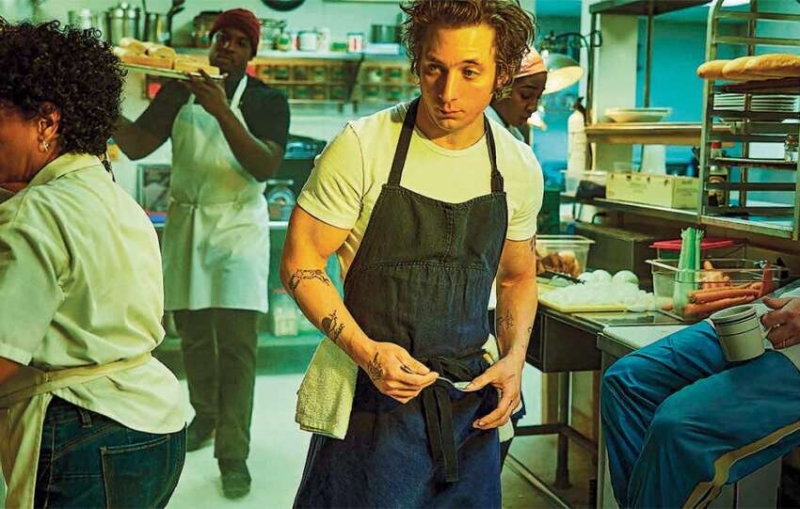
Image: Collected
Hulu’s critically acclaimed series The Bear continues to cut deeper than most prestige dramas, exposing a quiet but exhausting lie many ambitious people live by: that if you just become useful enough, your suffering will finally mean something.
The latest wave of discussion around the show, amplified by a striking image circulating online, zeros in on Carmen “Carmy” Berzatto’s relentless drive. The young chef, played by Jeremy Allen White, channels grief, trauma, and chaos into the high-stakes world of fine dining. The kitchen becomes both sanctuary and battlefield—a place where perfection is demanded, mistakes are punished, and personal pain is expected to fuel excellence rather than be addressed.
What The Bear refuses to romanticize is the idea that productivity is a cure. Carmy’s brilliance in the kitchen does not erase his anxiety, his unresolved family wounds, or the emotional cost of trying to outrun them. The series shows, with brutal clarity, how the belief that “if I just work hard enough, the pain will have a purpose” can become another form of self-erasure.
In an industry and culture that often glorifies burnout as dedication, The Bear lands as both a thrilling workplace drama and a quiet act of resistance. It asks viewers to sit with an uncomfortable truth: usefulness is not the same as healing. And no amount of perfect plating will make the hurt disappear.