

- Oil Shock Sends Asian Markets Lower as Middle East Conflict Threatens Global Shipping |
- Trump Links Iran War to US Midterms, Backs United Ireland |
- PM Tarique Rahman Seeks Public Cooperation to Tackle Nationwide Dengue Outbreak |
- Jatiyatabadi Mahila Dal Vows to Lead Fight Against Rape, Violence Against Women and Children |
- 'Honorable' Dropped: PM Starts Implementing Decision from His Own Office |
Malaysia Signals Rohingya Repatriation Plan, Then Backtracks
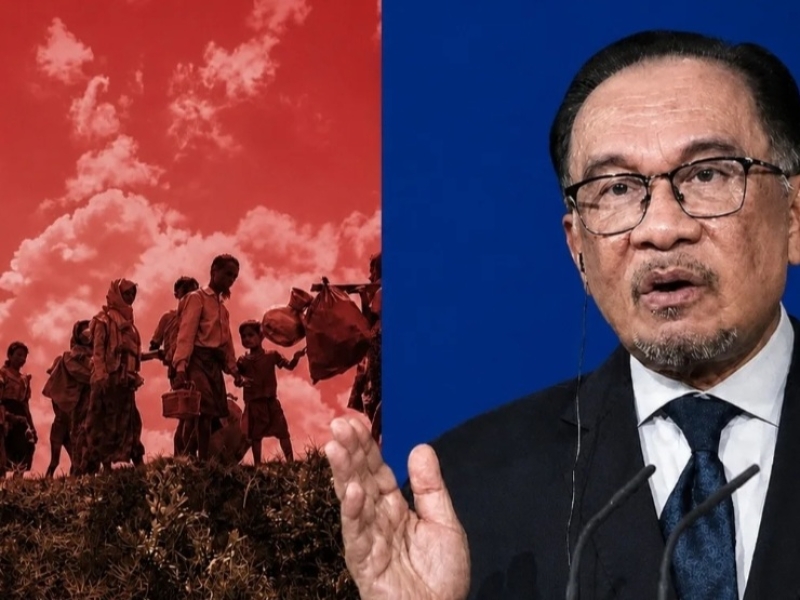
Image: Collected
Malaysia has said Myanmar agreed to take back 5,000 Rohingya refugees from Malaysia following negotiations between the two governments. Malaysian Prime Minister Anwar Ibrahim also said Myanmar had agreed to receive 300,000 Rohingya refugees from Bangladesh.
However, Myanmar has yet to publicly clarify the details of the reported agreement, including who would be returned, what legal status they would receive and what conditions they would face after returning.
Malaysian Communications Minister Fahmi Fadzil later said the country’s foreign and home ministries were still reviewing the proposal. He said any repatriation would only proceed if it could be ensured that the refugees would not face persecution or threats to their lives in Myanmar.
Human Rights Watch and Malaysia’s main Rohingya rights group have opposed the reported plan, warning that returning Rohingya to Myanmar could expose them to serious human rights abuses.
Many Rohingya fled Myanmar following the military crackdown in 2017. In Malaysia, the community has also faced recent pressure, including hate campaigns, evictions and the closure of refugee schools. More than 100 Rohingya were briefly detained in July after gathering outside the UNHCR office in Kuala Lumpur to seek assistance.
Malaysia hosts more than 215,000 refugees and asylum seekers registered with UNHCR, including more than 126,000 Rohingya. The country does not formally recognise refugee status and is not a party to the 1951 Refugee Convention.
The issue is particularly significant for Bangladesh, which hosts around 1.2 million Rohingya, most of whom fled Myanmar during the 2017 military crackdown. Several attempts to begin repatriation have failed because refugees have not considered conditions in Myanmar safe enough for their return.
Myanmar is also facing continuing conflict in Rakhine State, where the military does not control all territory. This makes any repatriation plan dependent on conditions beyond an agreement to receive refugees.
Whether the latest proposal can establish a safe and workable route for Rohingya to return home remains uncertain.