

- Zelenskyy warns Starshield limits are hindering drone interceptions |
- Govt considers revamping school food distribution system |
- Service tenure expiry leads to retirement of five BAF officers |
- HSC supplementary exams scheduled to begin on December 1 |
- US ambassador meets Indian High Commissioner amid political uncertainty |
BTTC urges legal challenge to India’s duties on Bangladeshi jute
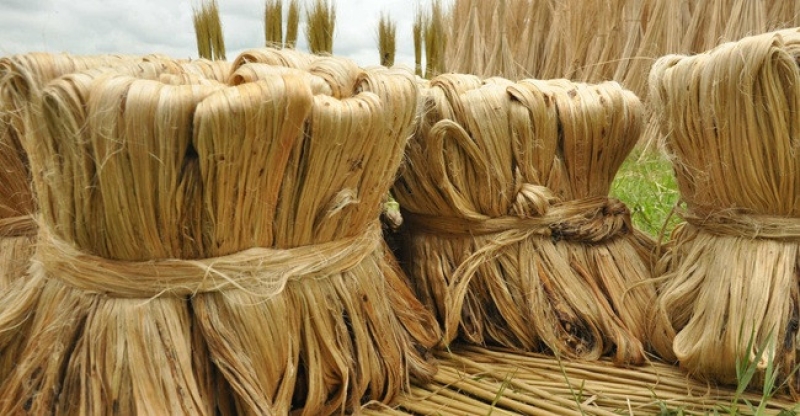
Image- Collected
The Bangladesh Trade and Tariff Commission (BTTC) has recommended challenging India’s countervailing duties on Bangladeshi jute products before India’s Customs, Excise and Service Tax Appellate Tribunal.
In a letter to the commerce ministry, the commission said an appeal could be filed within 90 days under India’s Customs Tariff Act, 1975. The final decision on legal action rests with the ministry.
India’s Directorate General of Trade Remedies (DGTR) issued its final findings on September 28, following an investigation into jute yarn, twine, bags, cloth and fabrics imported from Bangladesh and Nepal.
The Indian authority found that Bangladeshi exporters benefited from export cash incentives and a preferential income tax rate for the jute industry. It recommended countervailing duties of $101.54 to $140.04 per tonne on Bangladeshi producers for five years.
The findings identified export incentives of 15 per cent during the first quarter of the investigation period and 10 per cent thereafter, alongside a 10 per cent income tax rate for the jute industry compared with the standard corporate rate of 27.5 per cent.
India proposed applying the export-subsidy component only to the extent that it exceeds existing anti-dumping duties on the same consignment. The tax-concession component would be collected in full, while existing anti-dumping duties would remain unchanged.
The investigation found that imports of the products under scrutiny rose from about 112,700 tonnes in fiscal year 2021–22 to around 166,400 tonnes during the investigation period.
The BTTC submitted its recommendation at the Commerce Ministry’s request, leaving further action to the government.