

- Zelenskyy warns Starshield limits are hindering drone interceptions |
- Govt considers revamping school food distribution system |
- Service tenure expiry leads to retirement of five BAF officers |
- HSC supplementary exams scheduled to begin on December 1 |
- US ambassador meets Indian High Commissioner amid political uncertainty |
Japanese Voice Actor Takes TikTok to Court Over Alleged AI Voice Clone
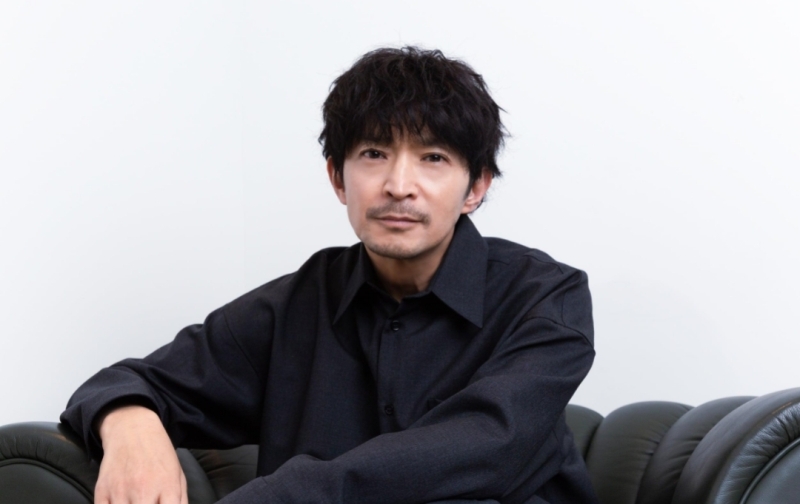
Image: Collected
Japanese voice actor Kenjiro Tsuda has taken TikTok to court over videos he says used an artificial intelligence-generated imitation of his distinctive voice without his permission.
Tsuda, 55, is widely known for voicing characters including Kento Nanami in Jujutsu Kaisen and Seto Kaiba in Yu-Gi-Oh!. His lawsuit is believed to be Japan’s first legal case seeking to protect an individual’s vocal identity from AI-generated copies.
The case concerns a series of TikTok videos posted by an anonymous account whose profile image resembled a Jujutsu Kaisen character voiced by Tsuda. The videos featured images accompanied by speech that appeared to have been generated using AI and covered subjects including urban legends, occult phenomena and conspiracy theories.
According to Tsuda’s legal team, the account had more than 200,000 followers at one point and generated more than ¥500,000 (about $3,200) a month. His lawyers argue that the use of the voice violated his publicity rights, which allow individuals to control the commercial use of aspects of their identity.
TikTok has disputed the claims. According to court records cited by AFP, the company argues that the voice is a generic male voice and that any resemblance to Tsuda's voice is subjective. TikTok has also argued that it was operating as a platform for users to post content within the scope of free expression.
The lawsuit comes as Japanese performers and industry groups increasingly raise concerns about AI-generated imitations. The Japan Actors Union has backed Tsuda's case, while some voice actors have launched a campaign opposing the unauthorized use of generative AI to reproduce performers' voices.
Japan currently has no specific law that explicitly establishes ownership of a person's voice. However, the Justice Ministry issued legally non-binding guidelines in August explaining that a person's voice can receive protection under existing publicity and likeness-related rights because it can be considered a representation of an individual's personality.
The Tokyo District Court is scheduled to issue its verdict on September 30, making the case a closely watched test of how existing Japanese laws may apply to AI-generated voice impersonation.